A 5-day Tokyo itinerary you can follow on a map
November 13, 2026 · 9 min read
Five days in Tokyo work best if each day stays in one area: Ueno, Asakusa, and TOKYO SKYTREE; Meiji Jingu, Harajuku, and Shibuya; Shinjuku; the Imperial Palace East Gardens, Ginza, and Tsukiji Outer Market; then a booked visit such as teamLab Planets. Save the stops to a Google Maps list, or import a file into Google My Maps.
Why this itinerary is grouped by neighborhood
Tokyo is large, and a day that jumps from Asakusa to Shibuya and back to Ueno is spent on trains. A traveler on r/TokyoTravel shared a five-day plan with a color-coded Google Map (thread).
GO TOKYO, the official Tokyo travel guide, also groups a five-day visit by proximity. The days below are a walking-first order of verified places, not a copy of that page, and not a published creator map — Waymarks has none to link today. Save every stop to a Google Maps list, or to a Google My Maps layer for that day, after you confirm the name in Maps. Lists and My Maps are different products; see the mapping section and How to import travel places into Google My Maps.
Day 1: Ueno, Asakusa, and TOKYO SKYTREE
Start at Ueno Park, beside Ueno Station. Walk the park, and visit Tokyo National Museum only if you have checked its official calendar — it is not open every day. Skip Ueno Zoological Gardens if you still want Asakusa and the tower that afternoon.
Walk south through Ameyoko (Ameya-Yokocho), the shopping street between Ueno and Okachimachi stations, then continue east to Asakusa on the Tokyo Metro Ginza Line, or on foot. Enter at Kaminarimon (the Thunder Gate), walk Nakamise-dori to Senso-ji, and give the temple grounds time. The temple’s official history traces its origins to 628; check hall times on the official site.
Finish at TOKYO SKYTREE in Oshiage, Sumida, across the river. The official site gives the height as 634 meters and names the Tembo Deck and Tembo Galleria. Book timed entry only on the official website. If the afternoon is sold out, stay in Asakusa and move the tower to day 5. On a map this is one line: Ueno → Asakusa → Oshiage.
Day 2: Meiji Jingu, Harajuku, and Shibuya
Begin at Meiji Jingu, next to JR Harajuku Station. The official shrine site says it was established in 1920 to commemorate Emperor Meiji and Empress Shoken, on grounds of about 70 hectares. It is open every day; hours change with the season, so check the official page.
Just outside, Takeshita-dori is Harajuku’s busy pedestrian street; Omotesando is the tree-lined avenue on the other side. Yoyogi Park, next to the shrine, is an optional short walk. From Harajuku to Shibuya you can walk along Cat Street, or ride one stop on the JR Yamanote Line.
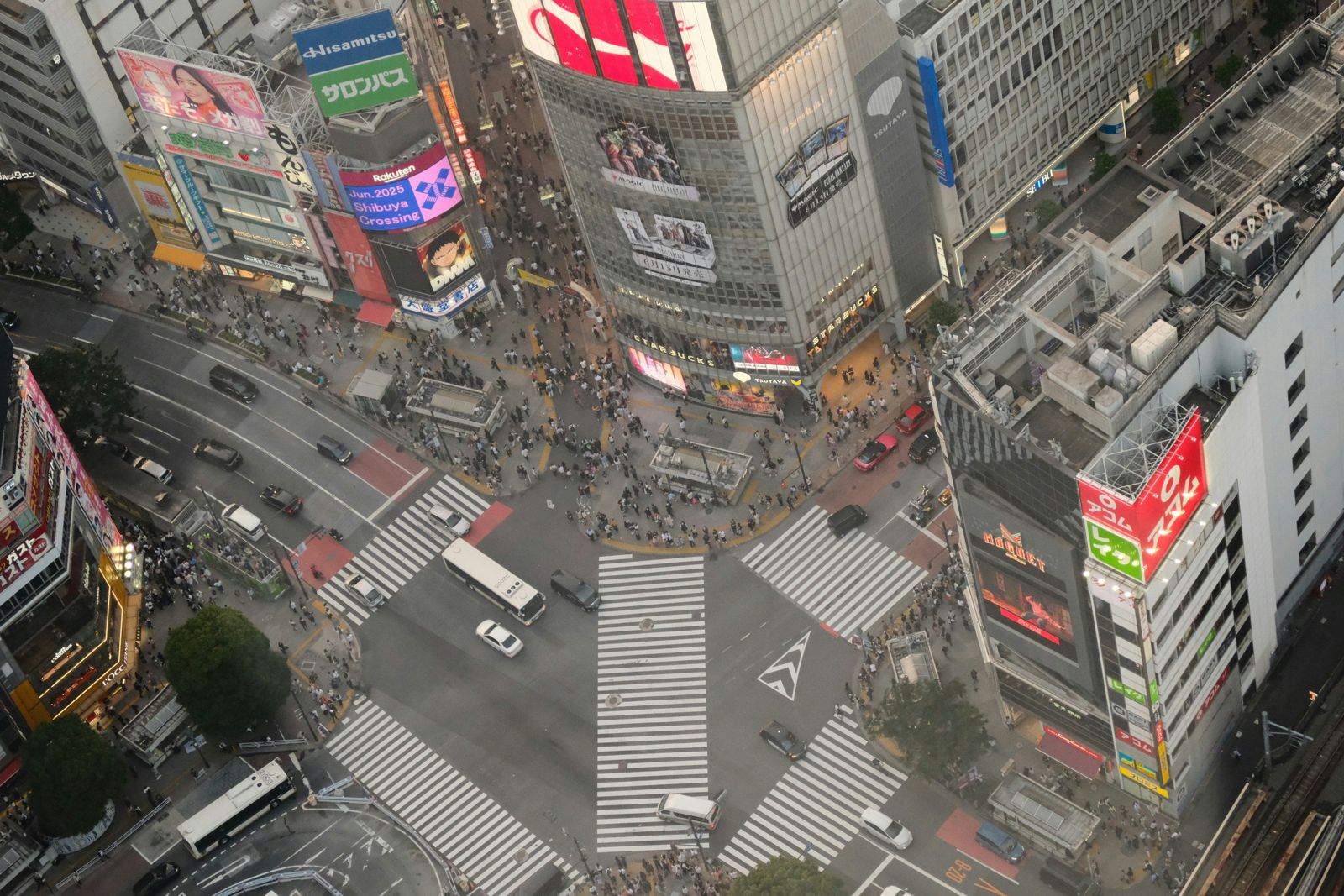
In Shibuya, see Shibuya Scramble Crossing and the Hachiko statue outside the station. If you want a view over the crossing, SHIBUYA SKY is the rooftop observation deck on Shibuya Scramble Square — buy a timed ticket on the official site, and treat weather closures as possible. If TOKYO SKYTREE is already on day 1, this viewpoint is optional. Stay in Shibuya for the evening.
Day 3: Shinjuku
Shinjuku is a full day on its own. Start southeast of the station at Shinjuku Gyoen National Garden. It regularly closes on certain weekdays and around the New Year, and at busy times it may require a reservation; check the official Ministry of the Environment page before you plan the morning around it. If it is closed, start at the metropolitan building and stay in Shinjuku.
West of the station, the Tokyo Metropolitan Government Building has observation decks on the 45th floor of its north and south towers. Which deck is open changes; check the official observatory page on the day. You only need one Shinjuku observatory.
Late afternoon and evening, stay near the station. Kabukicho is the entertainment district; Golden Gai is alleyways of small bars; Omoide Yokocho, by the west exit, is a short alley of small eateries. Many are tiny — go in a small group. This article does not name individual bars.
Day 4: Imperial Palace East Gardens, Ginza, and Tsukiji
Start at the East Gardens of the Imperial Palace, the public garden on the former Edo Castle site. The palace buildings are not a walk-in attraction. The Imperial Household Agency opens the gardens on some days only — not every weekday — and closes them around the New Year and for court events. Check the Agency’s official calendar the day before. If they are closed, walk the public perimeter around the moat, then continue.
From the Ote-mon side it is a short walk to Tokyo Station on the Marunouchi side. Use the station as a landmark, then continue to Ginza along Chuo-dori, and finish at Tsukiji Outer Market. The official Outer Market site states that the inner wholesale market, including the auctions, has moved, and that the Outer Market shops remain in Tsukiji. Check stall hours on the day.
Akihabara often appears on central Tokyo days, but on a map it sits north of this walking loop. If electronics or anime shopping is a priority, give it a separate evening; do not wedge it between the gardens and the market.
Day 5: A booked highlight, with clear swaps
The default day 5 is teamLab Planets TOKYO in Toyosu, Koto City, a ticketed museum of large-scale installations, some of them in water. The official page lists a run from 2018 through the end of 2027; confirm those dates, and buy timed entry only on the official teamLab Planets site. Toyosu is not next door to days 1–4, so leave the afternoon lighter. If that does not suit the group, swap the day — do not stack it:
- TOKYO SKYTREE, if you skipped it on day 1. It is in Sumida, not next to Toyosu; do not book both without checking travel time between Oshiage and Shin-Toyosu.
- teamLab Borderless at Azabudai Hills, a different museum that opened in February 2024. Confirm it on the official teamLab site, and pair it with Roppongi, not with Planets on the same day.
- A slower afternoon in Nakameguro, or a day trip (Kamakura, Nikko, or Hakone; see the FAQ) that replaces day 5.
Put this 5-day Tokyo itinerary on a map
- In Google Maps, search the place name plus “Tokyo.”
- Open the result and check that the neighborhood matches the day (Asakusa is not Akihabara; Tsukiji Outer Market is not the wholesale market that moved).
- Save it to a list named for the trip, for example “Tokyo 2026.”
- Add a short note if the app allows it: the day number, and whether you need a ticket.
Google Maps lists and Google My Maps are not the same product. A list lives in the Maps app. My Maps is a separate map, usually edited on a computer, where you can use one layer per day and import a CSV, spreadsheet, or KML file. Google’s import help says not to import more than 2,000 rows and lists accepted formats including CSV, Google Sheets, XLSX, KML, KMZ, and GPX. See How to import travel places into Google My Maps for the steps, and How to turn saved travel TikToks into a Google Maps list by city if some places came from saved videos.
If you already follow creators for Tokyo
This itinerary is a spine of official, verifiable places. It is not a creator’s Tokyo map, and Waymarks does not publish one today.
If you already follow TikTok creators for Tokyo, Waymarks offers a paid self-service search: you choose a destination and add public TikTok creator profile links (up to five per search), and it builds an interactive map. You can export KML or CSV and import a KML file into Google My Maps with Google’s import steps. TikTok is the main source supported today. Always confirm pins against the original videos and against Google Maps before you travel.
This is optional. A manual Maps list is enough to follow the five days above. See How to map a TikTok creator’s travel recommendations for one destination and Travel tips.
Practical checks before you go
- Closed days. Tokyo National Museum, Shinjuku Gyoen, and the Imperial Palace East Gardens all close on some weekdays. If that collides with your plan, swap day 3 and day 4, or drop the closed site.
- Tickets. Book TOKYO SKYTREE, SHIBUYA SKY, and teamLab Planets only on each official site, and re-check the date before you travel. This article does not list prices or entry times.
- Transit, food, and hours. Inside Tokyo you will use JR, Tokyo Metro, and Toei subway; check official visitor pages for current IC-card options. This guide does not recommend named restaurants. When you need a time, read it on that place’s official site.
FAQ
Is five days enough for a first visit to Tokyo?
Five days is enough for a first overview of Tokyo’s main neighborhoods if you keep each day in one area, but you will not see every museum or district. If you have only three days, keep one east day (Ueno and Asakusa), one west day (Harajuku and Shibuya, or Shinjuku), and one central day (Imperial Palace East Gardens, Ginza, and Tsukiji Outer Market).
Should I replace a day with a trip to Kamakura, Nikko, or Hakone?
This itinerary keeps all five days inside Tokyo. A day trip to Kamakura, Nikko, or Hakone is a reasonable swap for day 5, but it is a full day with its own trains and tickets. Check the official tourism site for that destination, and do not add a day trip on top of a full Tokyo day.
Where should I stay for this 5-day Tokyo itinerary?
You do not need a different hotel each day. One base near a major JR Yamanote Line station — such as Shinjuku, Tokyo, Ueno, or Shibuya — makes this plan workable, because each day’s places sit close together. Choose the neighborhood that fits your arrival station and budget.
Do I need a Japan Rail Pass for five days in Tokyo only?
The Japan Rail Pass is a JR product for longer-distance JR travel, not a ticket for all of Tokyo’s trains. A Tokyo-only stay typically uses JR, Tokyo Metro, and Toei subway. Check the official JR Pass, JR East, and Tokyo Metro visitor pages for current options.
What should I book before I go?
If TOKYO SKYTREE, SHIBUYA SKY, or teamLab Planets TOKYO is on your plan, buy timed entry only on that official website and re-check the date before you travel. Gardens and museums here are not open every day; check official calendars, especially for the East Gardens, Shinjuku Gyoen, and Tokyo National Museum.
How do I put this 5-day Tokyo itinerary on Google Maps?
Search each place name with “Tokyo” in Google Maps, open the result, and save it to a list named for the trip, such as “Tokyo 2026.” Use one list, or one My Maps layer, per day if you want different colors. Google Maps lists and Google My Maps are different products: importing a KML or CSV file is a My Maps feature, documented in Google’s import help, not a Maps-list feature.